Marine exhaust systems play a critical role in vessel performance, onboard safety, and environmental compliance. Whether installed on a recreational powerboat, luxury yacht, or commercial vessel, a properly engineered marine exhaust system ensures that engine gases are safely expelled while controlling temperature, noise, and backpressure.
Centek Marine is widely recognized for designing and manufacturing marine exhaust systems and related components for a broad range of vessels. Based in the United States, the company works closely with boat builders, naval architects, and vessel owners worldwide to deliver custom-engineered exhaust solutions that meet modern marine standards.
This guide explains how marine exhaust systems work, why they matter, and what to consider when selecting exhaust components for different types of vessels.
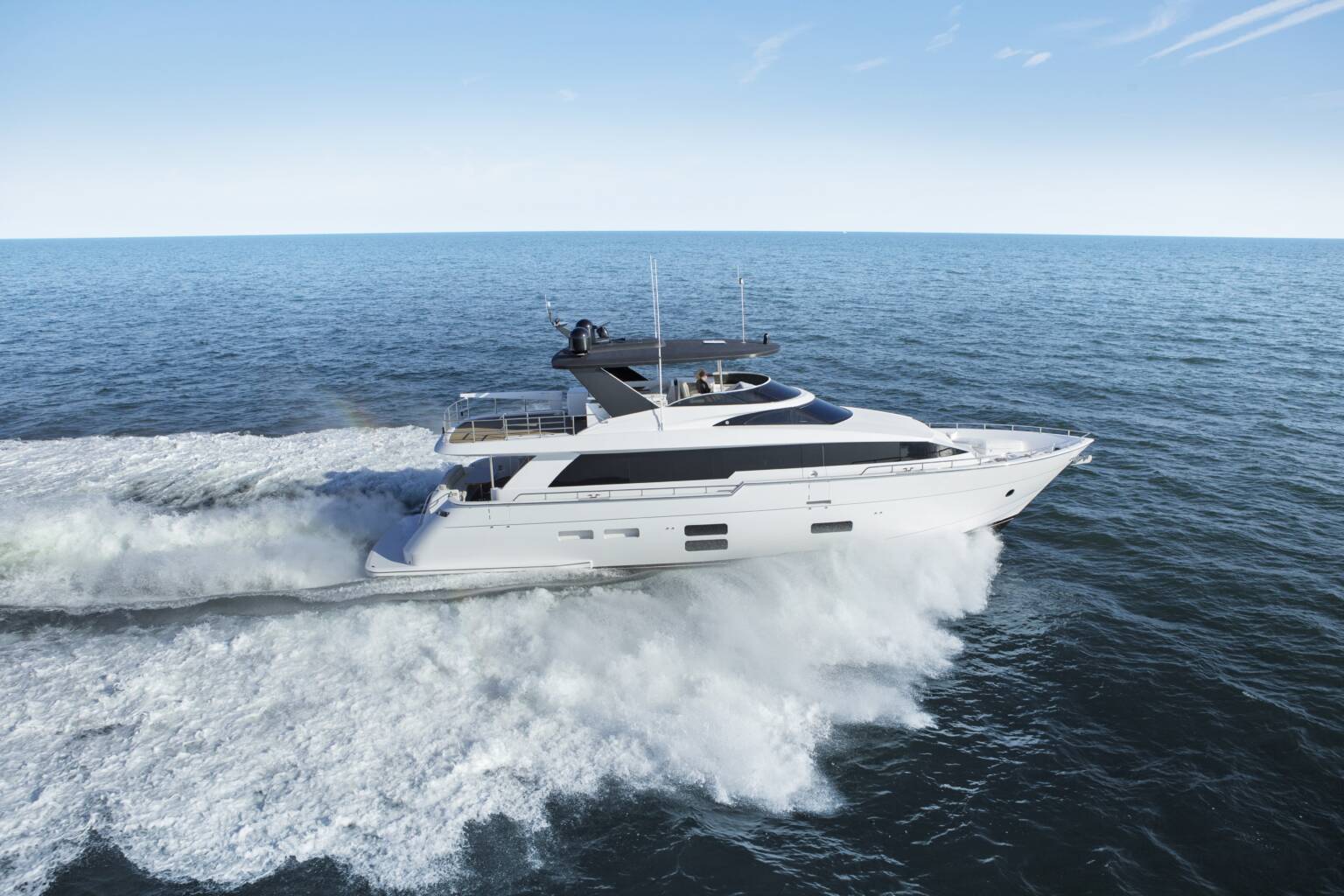
⚙️ Understanding Marine Exhaust Systems
Most marine exhaust systems are water-cooled. Water is injected into the exhaust stream to reduce temperature before gases exit the vessel. This cooling process protects components, reduces fire risk, and lowers noise levels. Without proper cooling and ventilation, excessive heat can damage engine room structures and surrounding systems.
In addition to temperature management, exhaust systems must control backpressure. Excessive backpressure can reduce engine efficiency, increase fuel consumption, and shorten engine life. A well-designed system balances gas flow and cooling while maintaining optimal engine performance.
???? Core Components of a Marine Exhaust System
Marine exhaust systems consist of several integrated components. Each element contributes to safety and efficiency.
Exhaust risers carry hot exhaust gases from the engine. These components must withstand high temperatures and constant vibration.
Water injection elbows introduce cooling water into the exhaust stream. Proper placement ensures effective cooling without allowing water to flow back into the engine.
Mufflers and silencers reduce engine noise. In yachts and passenger vessels, noise control significantly affects onboard comfort.
Underwater exhaust systems discharge gases below the waterline. This design can further reduce noise and fumes around the vessel.
Hoses and connectors must resist corrosion, saltwater exposure, and pressure fluctuations.
High-quality marine exhaust components are typically constructed from fiberglass-reinforced materials or corrosion-resistant metals. These materials extend service life and reduce maintenance requirements.
???? Applications Across Different Vessel Types
Marine exhaust systems are not one-size-fits-all. Each vessel type presents unique operational demands.
Powerboats
Recreational powerboats require compact, lightweight exhaust systems that maximize engine performance without taking up excessive space. Noise reduction is often a key consideration, especially in leisure environments.
Yachts
Luxury yachts demand quiet operation and long-term reliability. Exhaust systems in yachts must manage higher horsepower engines while maintaining passenger comfort. Proper insulation and advanced muffler design help reduce sound levels.
Commercial Vessels
Commercial vessels operate for extended hours under heavy loads. Their exhaust systems must handle sustained high temperatures and continuous use. Durability and compliance with environmental regulations are central priorities.
Specialized and Engineered Craft
Certain vessels, including patrol boats and custom-engineered craft, may require fully custom exhaust configurations. In such cases, engineering teams design systems based on engine specifications, vessel layout, and performance goals.
????️ Custom-Engineered Marine Exhaust Solutions
Standard exhaust components may not always meet the specific needs of modern vessels. Custom-engineered marine exhaust systems allow designers to address unique challenges such as limited engine room space, complex routing paths, and varying engine outputs.
Engineering teams typically analyze:
Engine horsepower and exhaust flow rates
Vessel size and hull configuration
Required noise levels
Regulatory compliance standards
Cooling water availability
Using advanced design tools, engineers develop exhaust layouts that optimize gas flow while preventing overheating or water intrusion. This level of customization ensures reliable performance across diverse marine applications.
???? The Importance of Ventilation in Engine Rooms
Marine exhaust systems work closely with engine room ventilation systems. Ventilation manages airflow, removes heat, and maintains safe operating temperatures.
Without adequate ventilation, heat buildup can compromise engine efficiency and create safety risks. Proper airflow also supports fuel combustion efficiency and reduces moisture accumulation, which can lead to corrosion.
Together, exhaust and ventilation systems create a balanced engine room environment that promotes durability and safe vessel operation.
???? Environmental Compliance and Emission Considerations
Modern marine regulations emphasize emission control and environmental protection. Marine exhaust systems must help vessels comply with international standards regarding exhaust discharge and noise levels.
Water-cooled exhaust systems reduce exhaust temperature and limit heat release into surrounding areas. Efficient gas flow design also contributes to cleaner engine operation by maintaining optimal combustion conditions.
Compliance is especially important for commercial vessels operating in regulated waters. Well-designed exhaust systems support adherence to evolving environmental requirements while maintaining operational efficiency.
???? Material Selection and Durability
Marine environments expose equipment to saltwater, humidity, vibration, and temperature fluctuations. Selecting appropriate materials is essential.
Fiberglass-reinforced composites are commonly used in marine exhaust components because they resist corrosion and withstand high temperatures. Stainless steel and other marine-grade metals are also used in specific applications.
Durability reduces maintenance frequency and lowers long-term operational costs. When evaluating marine exhaust systems, material quality should be a primary consideration.
???? Choosing the Right Marine Exhaust System
Selecting a marine exhaust system involves balancing performance, safety, and regulatory considerations. Vessel type, engine size, operating conditions, and environmental requirements all influence the decision.
Key questions to consider include:
What is the engine’s horsepower rating
Will the vessel operate in noise-sensitive areas
Are there specific environmental regulations to meet
Is a standard or custom configuration required
Working with experienced marine exhaust system manufacturers can simplify the selection process and ensure long-term reliability.
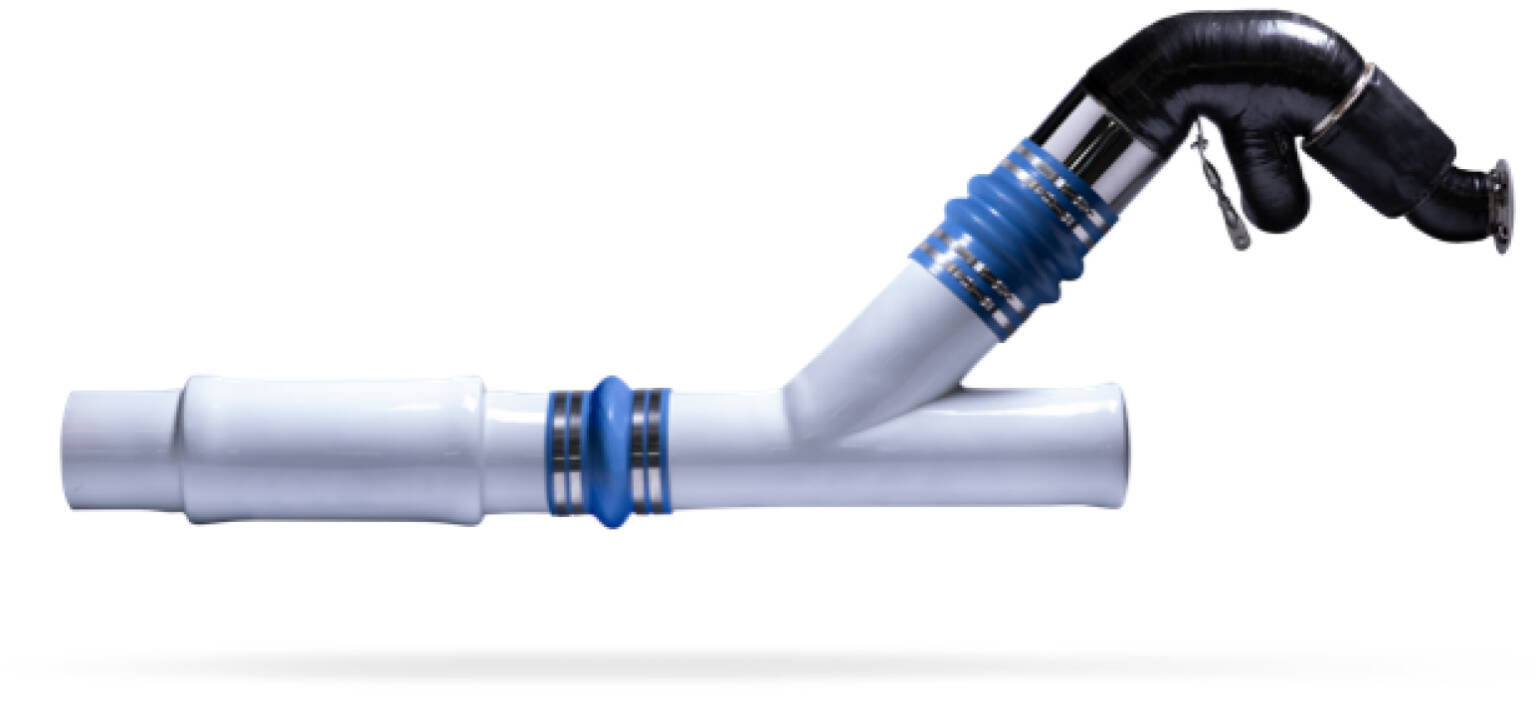
⚓ The Role of Innovation in Marine Exhaust Technology
Advancements in marine exhaust technology continue to improve safety and efficiency. Improved muffler designs reduce sound levels without increasing backpressure. Enhanced composite materials extend system lifespan. Optimized gas-water separation systems improve exhaust flow and cooling efficiency.
As vessel design evolves, exhaust systems must adapt to higher power outputs and stricter environmental standards. Ongoing innovation ensures that marine exhaust systems remain aligned with modern marine engineering requirements.
Conclusion
Marine exhaust systems are essential to the safe and efficient operation of powerboats, yachts, and commercial vessels. By managing temperature, controlling noise, and maintaining proper backpressure, these systems protect engines and improve onboard comfort.
Custom-engineered solutions allow marine professionals to address complex installation challenges while meeting performance and environmental goals. With careful design, proper materials, and regular maintenance, a well-built marine exhaust system supports long-term vessel reliability in demanding marine conditions.